
Home cooking techniques, explained from the heat up
The Home Range is a plain-language guide to what actually happens when you cook: how heat reaches food, what each cooking method does, how to handle a knife, how to measure, and how to keep a kitchen safe. Every safety temperature comes from US government food-safety guidance.
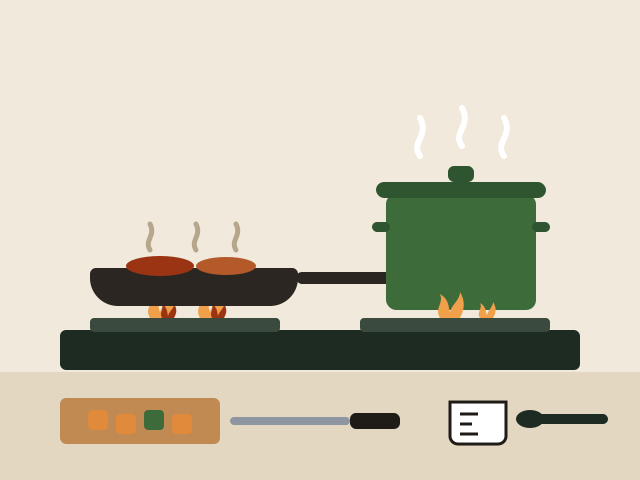
Three ways heat reaches your food
- Through contactA hot pan passes heat into whatever touches it, and heat then works its way inward from the surface. This is conduction.
- Through hot air or waterAn oven's hot air and a pot's hot water carry heat around the food. This is convection.
- Through radiant energyA broiler's glowing element, or the microwaves inside a microwave oven, deliver energy without touching the food. How heat cooks food explains all three.
Six guides, from the stove to the leftovers
Read them in order the first time. Each one stands alone, names the documents it is based on, and shows the date it was last reviewed against them.
-
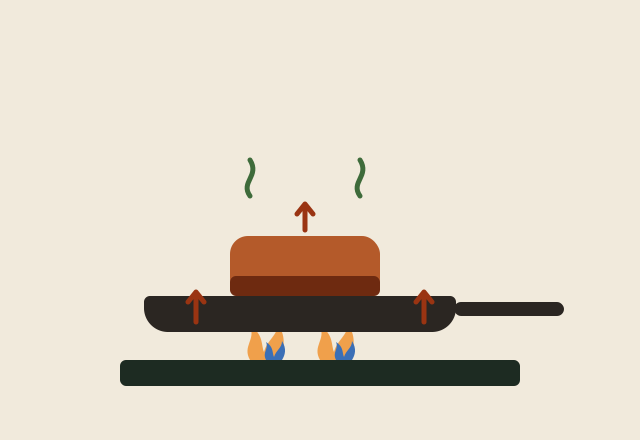
How heat cooks food
Conduction, convection, radiant heat and why browning needs a dry, hot surface.
-
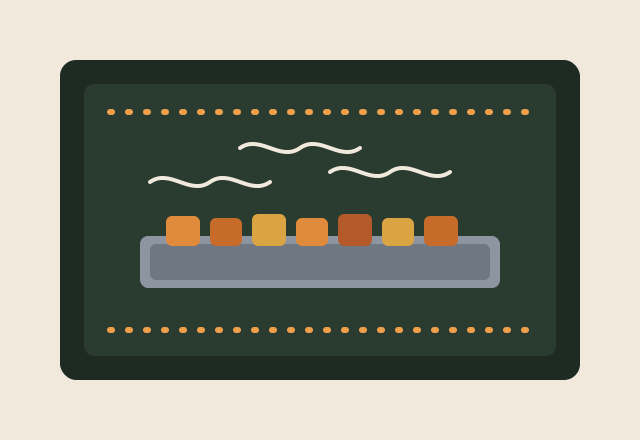
Dry-heat methods: sauté, roast, broil and pan-fry
Sautéing, stir-frying, roasting and broiling, and how to get real browning.
-
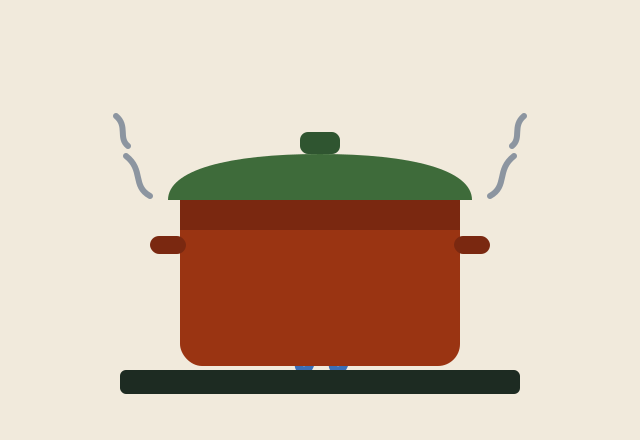
Moist-heat methods: braise, steam, boil and simmer
Boiling, simmering, poaching, steaming and braising, and why water sets the ceiling.
-
Knife skills and kitchen safety
A steady board, a guiding hand, the named cuts and stovetop fire safety.
-
Measuring and following a recipe
Read it through, set it out, measure dry and liquid ingredients the right way.
-
Kitchen food safety: clean, separate, cook, chill
Hands, boards, raw juices, the thermometer, and leftovers within 2 hours.
Technique you can check, numbers you can trust
Cooking advice is full of rules of thumb that nobody can trace. This guide keeps to what published sources support. Cooking terms and methods come from university food-science and extension teaching material. Every temperature and time that matters for safety comes from the USDA Food Safety and Inspection Service or the FDA, and each page names its documents.
Where a source gives no number, the guide describes what to look for instead, such as the size of the bubbles in a simmer, rather than inventing one.
- Named sources on every pageEach guide ends with the list of documents it relies on and the date it was checked against them.
- Safety numbers from FSIS or FDA onlyNo oven settings, smoke points or browning temperatures from blogs or packaging.
- No brands, nothing for saleEquipment is described by type. There are no adverts, affiliate links or product picks.
Three numbers worth knowing by heart
- 145°Fwhole cuts of beef, pork, veal and lamb, then a 3 minute rest
- 165°Fall poultry, and leftovers when you reheat them
- 2 hoursthe longest perishable food should sit out at room temperature
The reference page collects every temperature and time used on this site, with its Celsius conversion and the government document it comes from.