
Six cooking guides, in reading order
Start with how heat works, then the two families of cooking methods, then the skills and habits around them. The safe temperatures page is the one to keep open while you cook.
-
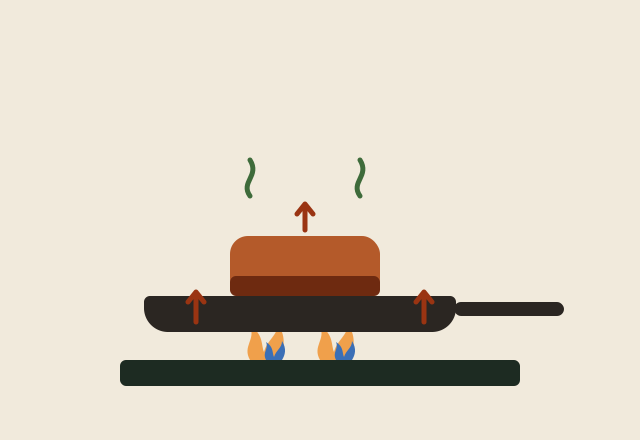
How heat cooks food
Conduction, convection and radiant energy in plain terms, why the outside of food cooks first, and what browning needs that boiling cannot give it.
-
Dry-heat methods: sauté, roast, broil and pan-fry
How sautéing, stir-frying, pan-frying, roasting and broiling work, which foods suit each one, and the habits that give good browning instead of grey, steamed food.
-
Moist-heat methods: braise, steam, boil and simmer
What boiling, simmering, poaching, steaming, stewing and braising each mean, why water caps the temperature, and why tough cuts need slow, wet heat.
-
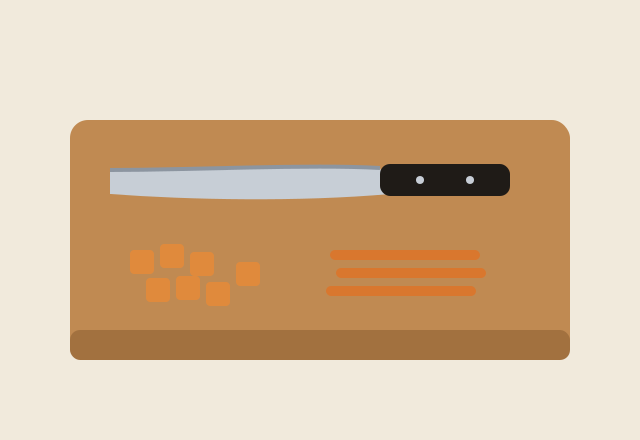
Knife skills and kitchen safety
Holding and guiding a knife, the common cuts from chop to julienne, handling and storing blades, and how to prevent and handle a stovetop fire.
-
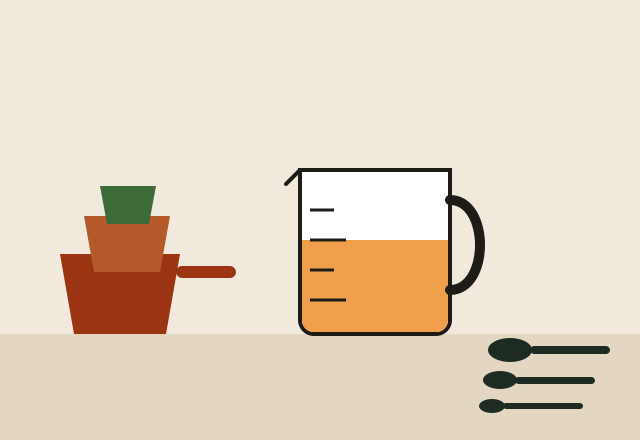
Measuring and following a recipe
Reading a recipe before you start, dry and liquid measures, spooning and levelling flour, packing brown sugar, the basic equivalents and scaling a recipe up or down.
-
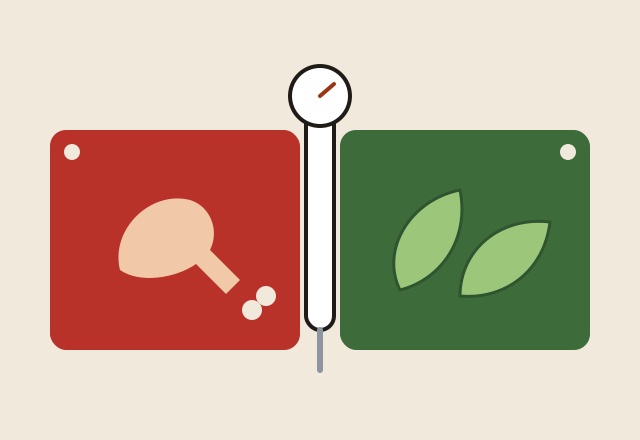
Kitchen food safety: clean, separate, cook, chill
Handwashing, why raw meat and poultry should not be rinsed, keeping raw and ready-to-eat food apart, cooking to a safe temperature and handling leftovers.
-
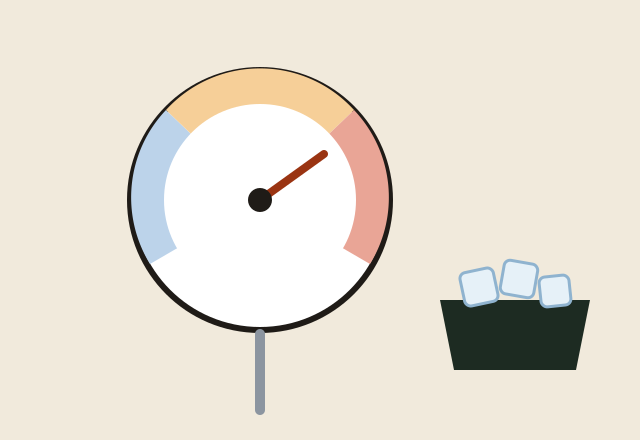
Safe temperatures and kitchen times
Safe minimum internal temperatures, the danger zone, leftover limits, the boiling point and the thermometer ice test, each taken from US government guidance.